
Table of Contents
Understanding Mold Remediation in Phoenix
In Phoenix’s unique desert climate, mold remediation requires specialized knowledge. We define mold remediation in Phoenix as the process of identifying, containing, and removing mold to restore safe indoor environments. It’s crucial here due to high humidity from monsoon seasons and air conditioning leaks, which can quickly lead to growth.
Common moisture sources in Phoenix homes include roof leaks during summer storms and poor ventilation in attics. According to the U.S. Environmental Protection Agency (EPA), mold thrives in damp conditions above 60% humidity. Water damage from leaks often leads to mold, making timely water damage restoration phoenix az essential to prevent escalation.
The three main steps are assessment via visual inspection and moisture detection–think essential mold inspection in Phoenix–containment to prevent spore spread using plastic sheeting and negative air pressure, and removal by cleaning non-porous surfaces with detergent or discarding porous materials like drywall for effective mold removal in Phoenix. Untreated mold poses health risks, including respiratory issues, especially for vulnerable residents in our hot climate.
Improper DIY attempts can worsen spread, so we recommend certified local services for compliance with Arizona building codes. Once you understand these basics, exploring professional services becomes the next step for effective mold removal in Phoenix.
Mold Challenges in the Phoenix Area
While mold thrives in damp climates, Phoenix’s desert environment presents unique hurdles–low humidity levels averaging 20-40% often lull residents into a false sense of security against mold growth. Yet, as local experts at Rapid Restoration and Construction LLC, we’ve seen how seasonal monsoons disrupt this balance, causing flash floods that lead to interior water intrusion in about 70% of area claims, according to the Arizona Department of Insurance and Financial Institutions. These sudden downpours make mold remediation phoenix essential for safeguarding homes in this arid region.
Beyond floods, air conditioning systems become primary moisture culprits during scorching summers exceeding 100°F, with leaks fostering hidden dampness behind walls. The Environmental Protection Agency notes that controlling such indoor moisture is key to preventing mold, as spores germinate rapidly in warm conditions. Immediate water mitigation phoenix az is crucial after these events to halt growth within 24-48 hours and protect family health from respiratory risks.
To illustrate regional differences, the following table compares key mold triggers across Phoenix and nearby areas like Mesa and Scottsdale:
| Factor | Phoenix | Mesa | Scottsdale |
|---|---|---|---|
| Average Humidity Levels | Low (20-40%), but spikes from AC leaks | Similar low levels, higher dust contribution | Low, with pool-related moisture |
| Water Damage Frequency | High due to monsoon floods | Moderate, focused on irrigation issues | Lower, but luxury homes at risk from plumbing |
| Temperature Impact | Extreme heat accelerates growth post-damage | Hot summers promote rapid mold spread | Consistent warmth aids hidden mold in walls |
Data sourced from EPA mold guides and local AZ climate reports for accurate regional comparisons.
Phoenix stands out with its intense monsoon-driven water damage, heightening mold removal phoenix needs compared to Mesa’s irrigation woes or Scottsdale’s plumbing vulnerabilities. These factors underscore why extreme heat amplifies spore spread everywhere, demanding vigilant responses. As a Mesa-based team serving the East Valley, we emphasize proactive steps to address these localized threats.
Understanding these dynamics helps residents prioritize prevention in our sunny locale. For instance, post-monsoon assessments reveal hidden issues that could escalate without intervention, linking directly to broader health concerns like allergies. We recommend scheduling a professional mold inspection phoenix to catch problems early and ensure safer indoor air.
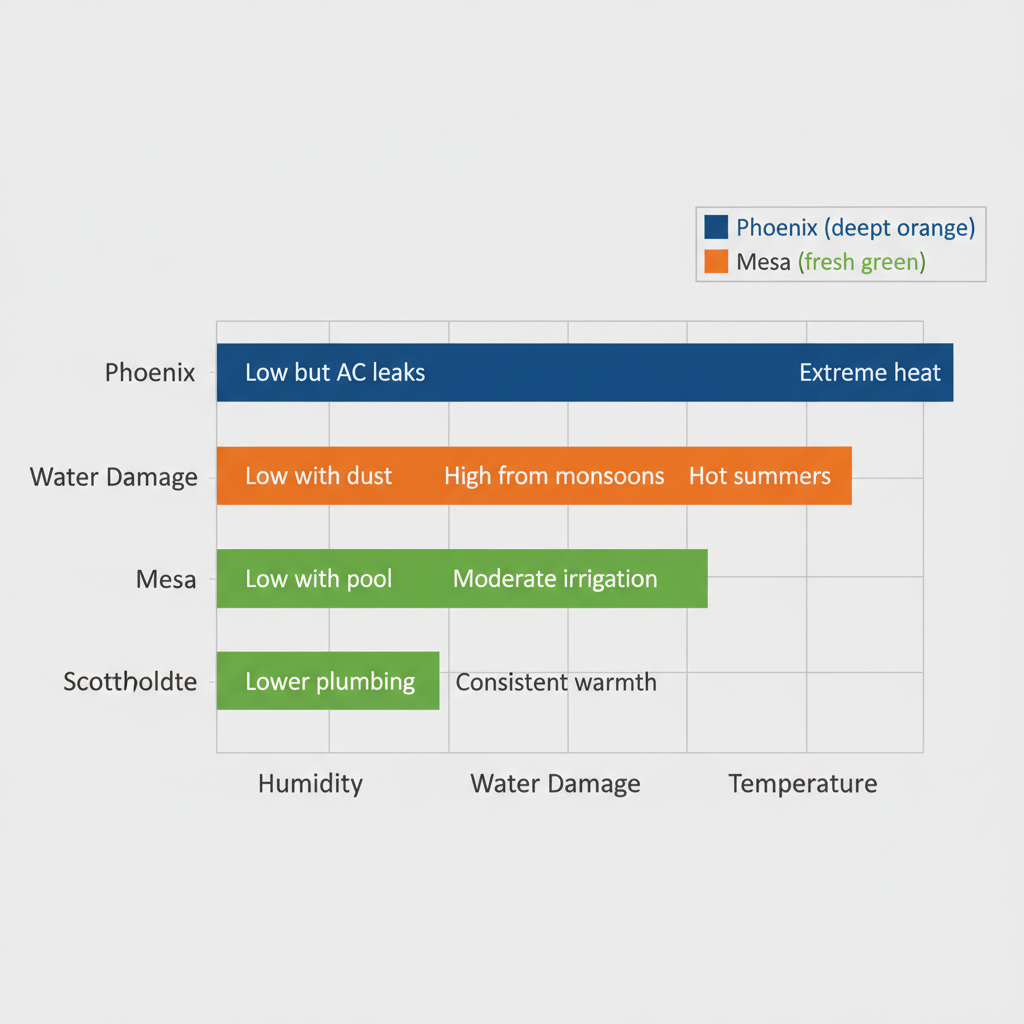
Mold growth factors comparison in Phoenix area cities
This visual highlights how Phoenix’s unique profile intensifies mold risks, even amid low baseline humidity–reinforcing the value of timely action. Addressing these local challenges requires specialized mold remediation phoenix strategies, as explored next.
Professional Mold Remediation Services Available in Phoenix
For effective and safe mold remediation in Phoenix, turning to certified professionals is essential once you’ve detected potential issues in your home. Arizona’s monsoon season often brings high humidity that fuels mold growth in attics, basements, and walls, making mold remediation phoenix a critical service for local homeowners. We’re local experts at Rapid Restoration and Construction LLC, with over 30 years of experience handling these challenges in the East Valley and beyond.
Professional mold removal in Phoenix follows a structured process backed by the U.S. Environmental Protection Agency’s guidelines. It starts with a thorough mold inspection in Phoenix to assess the extent–EPA recommends calling experts if mold covers more than 10 square feet or affects HVAC systems. Our team contains the area using plastic sheeting and negative air pressure to prevent spore spread, then removes contaminated materials with HEPA vacuums and antimicrobial treatments. We clean surfaces via damp wiping and ensure everything dries within 24-48 hours to stop regrowth. Professional teams often combine mold remediation with water restoration phoenix to tackle underlying moisture from leaks or floods. Finally, we verify air quality and advise on prevention, like better ventilation.
Look for IICRC-certified restorers or state-licensed pros with liability insurance to protect your property. Hiring us avoids DIY risks, such as spreading spores or missing hidden mold, which can worsen respiratory health issues.
Contact us today for a free mold inspection in Phoenix–we’re not done until you’re happy and your home is safe. Understanding these services sets the stage for evaluating options like costs and long-term prevention.
Phoenix-Specific Factors in Mold Remediation
While mold remediation follows universal standards, Phoenix’s environment introduces distinct challenges that we address with our local expertise. In the Phoenix area, the arid climate keeps humidity low most of the year, but sudden monsoons spike moisture, creating ideal conditions for mold in air conditioning systems and crawl spaces. Professional mold remediation services in Phoenix require thorough mold inspection phoenix to catch these intermittent risks early.
Phoenix’s intense summer heat, often exceeding 100°F, can deactivate mold spores outdoors, yet inside cooled homes, trapped moisture revives them if not dried quickly. According to the U.S. Environmental Protection Agency (EPA), authoritative federal environmental guidelines recommend rapid drying and enhanced ventilation during remediation to prevent spore reactivation. We prioritize these steps to ensure safe, effective mold removal phoenix processes.
Monsoons also bring flooding from rooftop AC leaks and pool overflows, demanding immediate containment. For instances where monsoons lead to water intrusion, linking to flood damage restoration mesa az can address immediate needs before mold sets in. Maricopa County health guidelines, aligned with EPA moisture control, stress certified professionals for stucco and adobe structures prone to hidden dampness. Dust storms further spread spores, so we suggest pre-remediation air filtration and post-treatment monitoring adapted for desert conditions.
Understanding these local factors ensures effective mold remediation in Phoenix, paving the way for detailed inspection and removal strategies.
Steps to Begin Mold Remediation in Your Phoenix Home
Once you’ve identified mold in your home, acting quickly is essential for mold remediation phoenix, especially with our humid summers and monsoon seasons that trap moisture indoors. According to U.S. Environmental Protection Agency (EPA) authoritative federal environmental health guidelines, immediate action prevents health risks like allergies or respiratory issues. We’re local experts in the East Valley, ready to guide you through these first steps to keep your family safe.
Follow these initial steps to start safely:
Step 1: Identify and Stop the Moisture Source
Delay can lead to worse growth, so fix leaks or improve ventilation right away. Reference Arizona Department of Insurance and Financial Institutions state-specific regulatory and insurance guidance for documenting water damage to support claims.
- Tools: Flashlight, moisture meter.
- Safety warning: Wear gloves to avoid direct contact.
Step 2: Isolate the Affected Area
Seal off the space with plastic sheeting and tape to contain spores, as EPA guidelines recommend for small residential areas.
- Materials: 6-mil plastic, duct tape.
- This prevents spread to unaffected rooms.
Step 3: Perform a Visual Inspection
Document mold extent with photos; if over 10 square feet, seek mold inspection phoenix from pros.
- Tools: Camera, notepad.
- Note patterns for mold removal phoenix.
Step 4: Remove Visible Mold
Use wet vacuuming or HEPA wiping on non-porous surfaces per EPA methods, but avoid DIY on porous items like drywall.
- Supplies: HEPA vacuum, detergent solution.
- Warning: Don’t disturb mold without protection.
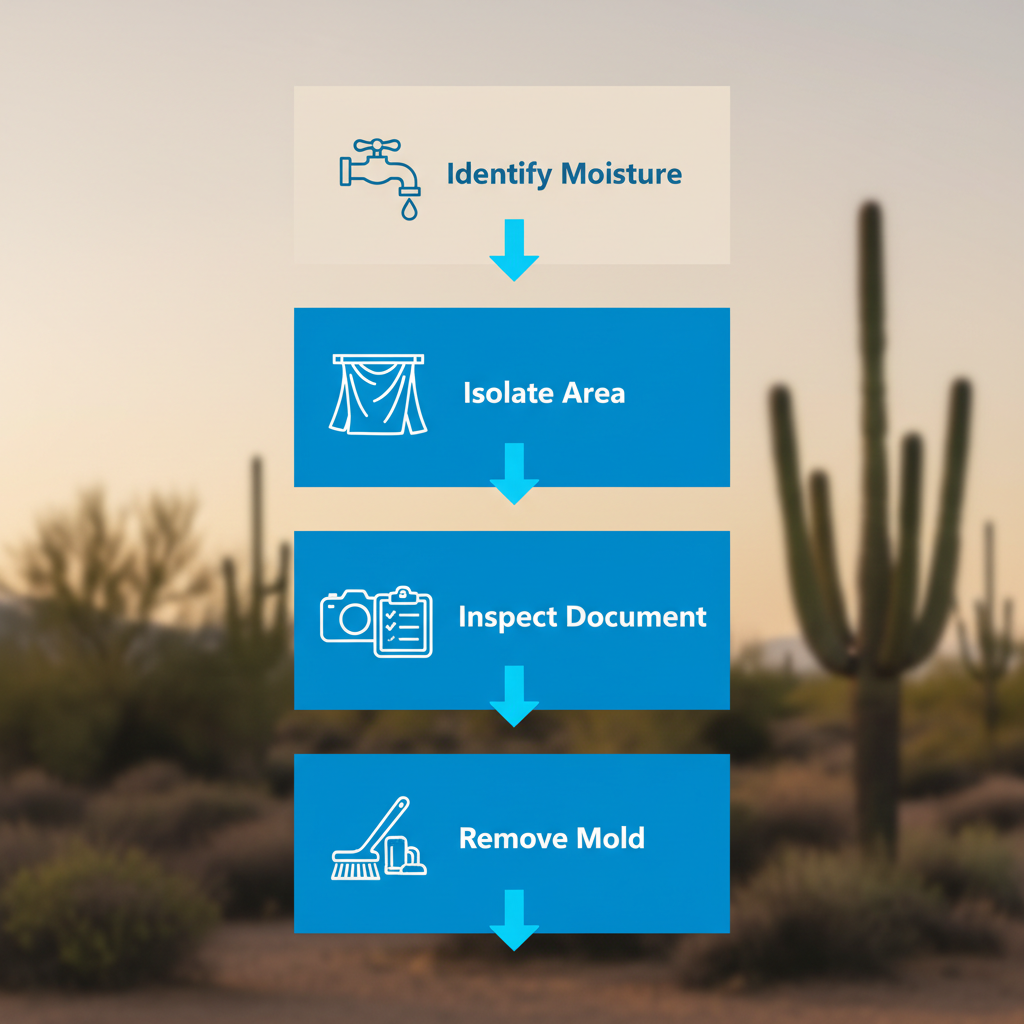
Step-by-step initial mold remediation process for Phoenix homes
For comprehensive professional mold cleanup in Phoenix, contact us at Rapid Restoration and Construction LLC–we’re experienced and handle everything from initial assessment. If mold stems from fire-related water damage, explore fire damage restoration mesa az. After these initial steps, proceed to full cleanup and prevention strategies.
We’re not done until you’re happy.
Key Takeaways for Mold Management in Phoenix
In Phoenix’s variable desert climate, where monsoon humidity and dust storms can spur mold growth, prompt mold remediation phoenix is essential to safeguard health and home integrity.
- Isolate the affected area immediately and ventilate to minimize spore spread during high-humidity events.
- Schedule a professional mold inspection phoenix to detect hidden growth in HVAC systems, common in Arizona homes–we’re local experts ready to help.
- For small areas under 10 square feet, perform safe mold removal phoenix using EPA-approved methods like wet vacuuming and HEPA filtering, as per United States Environmental Protection Agency guidelines.
- Hire certified remediators for infestations over 10 square feet or health concerns to ensure thorough eradication.
- After remediation, consider home restoration mesa az services for full property recovery, and prevent recurrence by keeping indoor humidity below 60% with dehumidifiers during summer monsoons.
For peace of mind, contact us today to schedule your mold inspection in Phoenix.
This article was researched and written with the assistance of AI tools.